Planning Deliveries and Hoisting in a Construction Logistics Plan

Most delays on a busy site trace back to a handful of daily events: a truck that arrives early, a hoist that is booked twice, a pallet staged where it blocks the next trade. A construction logistics plan that addresses deliveries and hoisting with enough detail prevents these problems before they appear. The plan does not need to be long. It needs to answer who brings what, when it arrives, where it goes, and how it reaches the floor where it will be installed, using rules that the field team can actually follow.
Start With the Delivery Window System
A delivery window system is the backbone of the plan. Each trade requests a time slot for any delivery above a set size, and the superintendent or logistics lead approves the schedule a day ahead. Windows should reflect real constraints such as street access limits, neighborhood noise rules, and the capacity of the unloading area. Publish the schedule where trades will see it, and state the consequence for arriving outside a window, such as waiting offsite, so the rule carries weight.
Define the Unloading Zone Precisely
Describe the unloading zone in terms a driver can use. Give the gate, the approach route, the turnaround, and the maximum vehicle size that fits. Include a note about spotters and flaggers, and show where a truck waits if the zone is occupied. A plan that says deliveries will be coordinated on site leaves every driver improvising. A plan that shows an arrow on a drawing and a phone number for the gate attendant lets the first delivery of the day proceed without a conversation.
Plan Hoisting as a Shared Resource
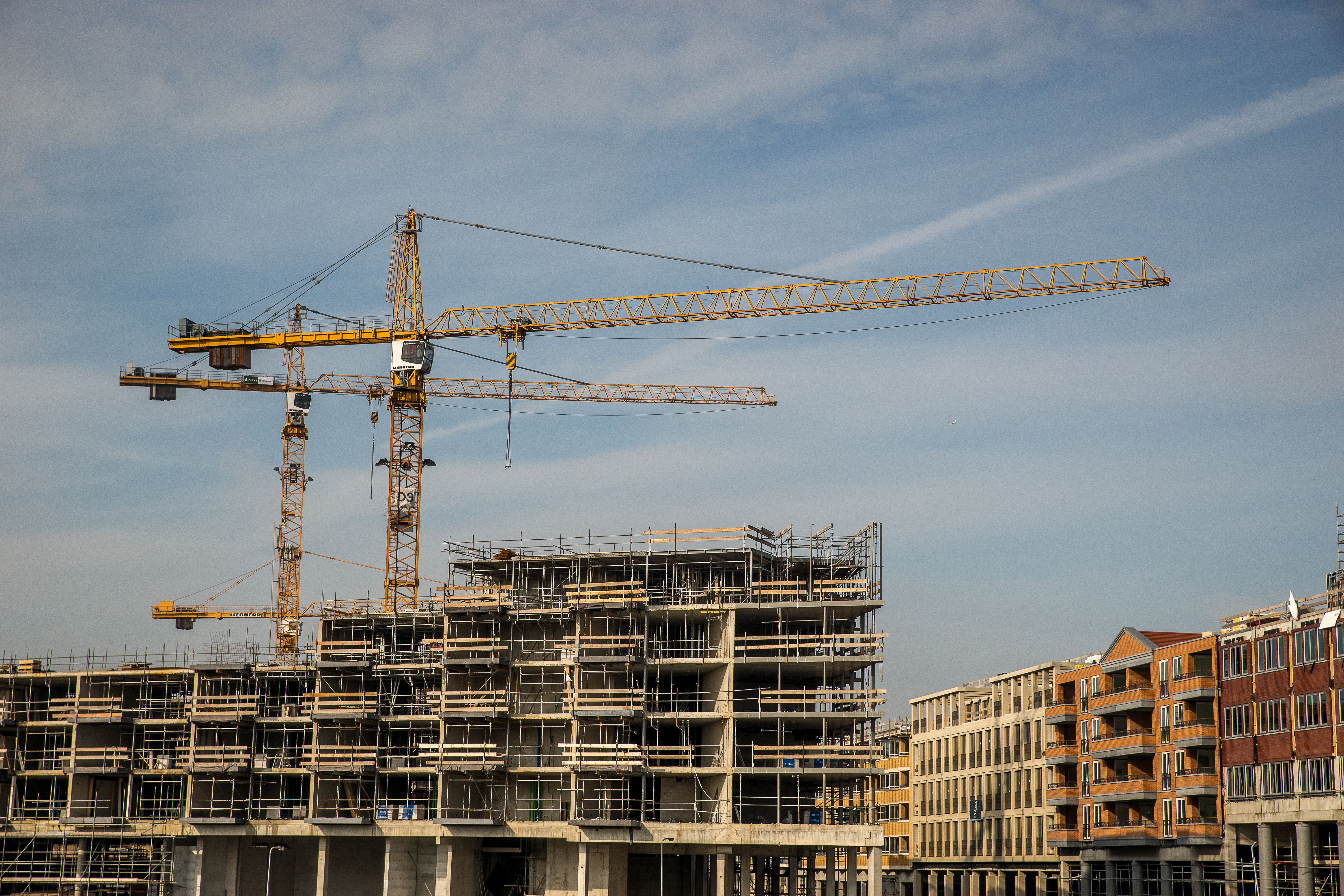
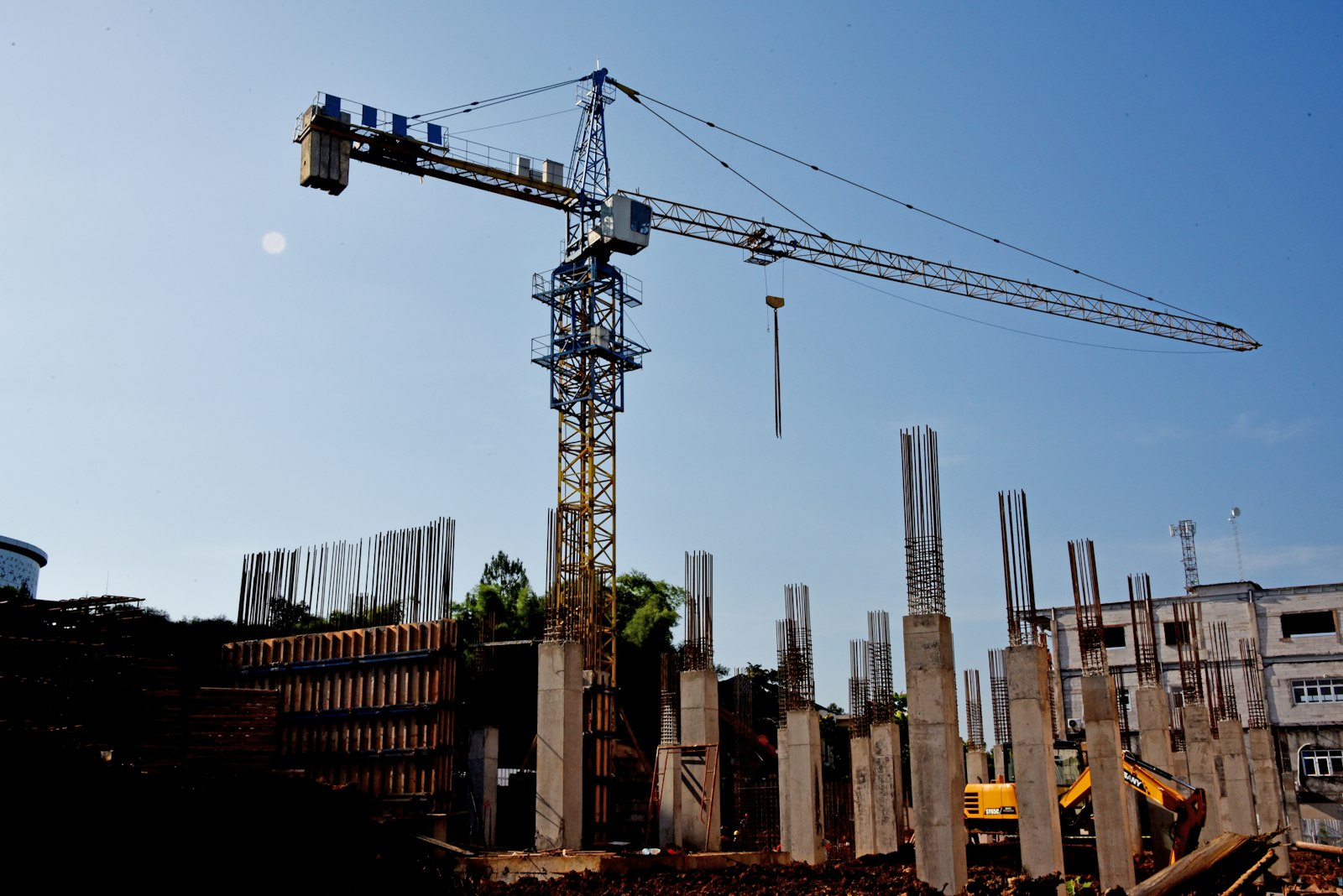
Cranes, material hoists, and personnel hoists are the most contested equipment on a vertical project. Treat each as a booked resource with a schedule, not a first-come arrangement. List the lift priorities by phase, such as structural steel in the early months and curtain wall panels later, and show how trades request time. Set aside regular windows for the crane operator to maintain equipment and for wind-related stoppages. When trades see that the system is fair and consistent, the number of arguments in the daily coordination meeting drops.
Stage Materials Close to Where They Will Be Used
Floor-by-floor staging reduces double handling, which is one of the largest hidden costs in construction. Identify which floors or zones can hold stored material, with weight limits for slabs and rules for fire safety. Make the staging areas known to the trades well before the work begins. Where space is tight, consider just-in-time delivery for bulky items and coordinate with suppliers about partial loads. The aim is that each material arrives close to its installation date and moves only once.
Address Traffic and Neighbors
Delivery routes affect the surrounding community. Identify approved truck routes, restricted streets, and school or event hours when traffic is sensitive. Provide the plan to neighboring property managers and municipal contacts before the first delivery. A neighbor who has seen the plan and has a number to call is far less likely to file a complaint that results in a stop-work order. Include a procedure for reporting and resolving incidents so that problems are handled in the open.
Review and Adjust Weekly
A logistics plan that never changes is probably being ignored. Schedule a short weekly review where the superintendent, logistics lead, and trade foremen look at the coming three weeks of deliveries and lifts. Capture changes in a revision log and update the posted drawings. The review also surfaces recurring issues, such as a supplier who keeps missing windows, so the team can address them directly with the party responsible.
The Bottom Line
Deliveries and hoisting decide whether a site flows or stalls. A good logistics plan sets delivery windows, defines the unloading zone, books hoisting equipment, stages materials near their use, and tells neighbors what to expect. Keep it specific, post it where people work, and review it weekly. The result is a site where the daily routine is predictable and the schedule has fewer surprises.