Writing a Construction Logistics Plan That Reviewers Actually Read

A construction logistics plan is a document that many teams write once for a proposal and never open again. That is a missed opportunity. A good plan guides preconstruction decisions, informs subcontractors, and shows an owner that the team has thought through the hard parts of the site. The difference between a useful plan and a filler plan comes down to a few choices. This post walks through the sections that matter most and how to keep each one tight and useful for the people who will rely on it.
Begin With Site Constraints
Every site has limits that shape the work: street width, adjacent structures, utility lines, neighborhood restrictions, and available laydown space. Start the plan by naming these constraints plainly. A reviewer should know within the first page whether this is a wide open suburban lot or a tight downtown infill site, and what that means for deliveries and cranes. A one-paragraph site summary with a small vicinity map is often enough. Details can follow in later sections, but the reader should understand the setting at a glance.
Map Access and Deliveries
Delivery management drives most logistics problems. The plan should show gate locations, truck routes, staging areas, and how deliveries will be scheduled. A simple reservation system with time windows, a flagger plan, and a queuing location off the public street answers questions an owner or city official will ask. Include peak days such as large concrete pours. Include a plan for oversize loads and for weather delays, since those events create the worst backups and the greatest risk to neighbors and adjacent traffic.
Plan Vertical Movement
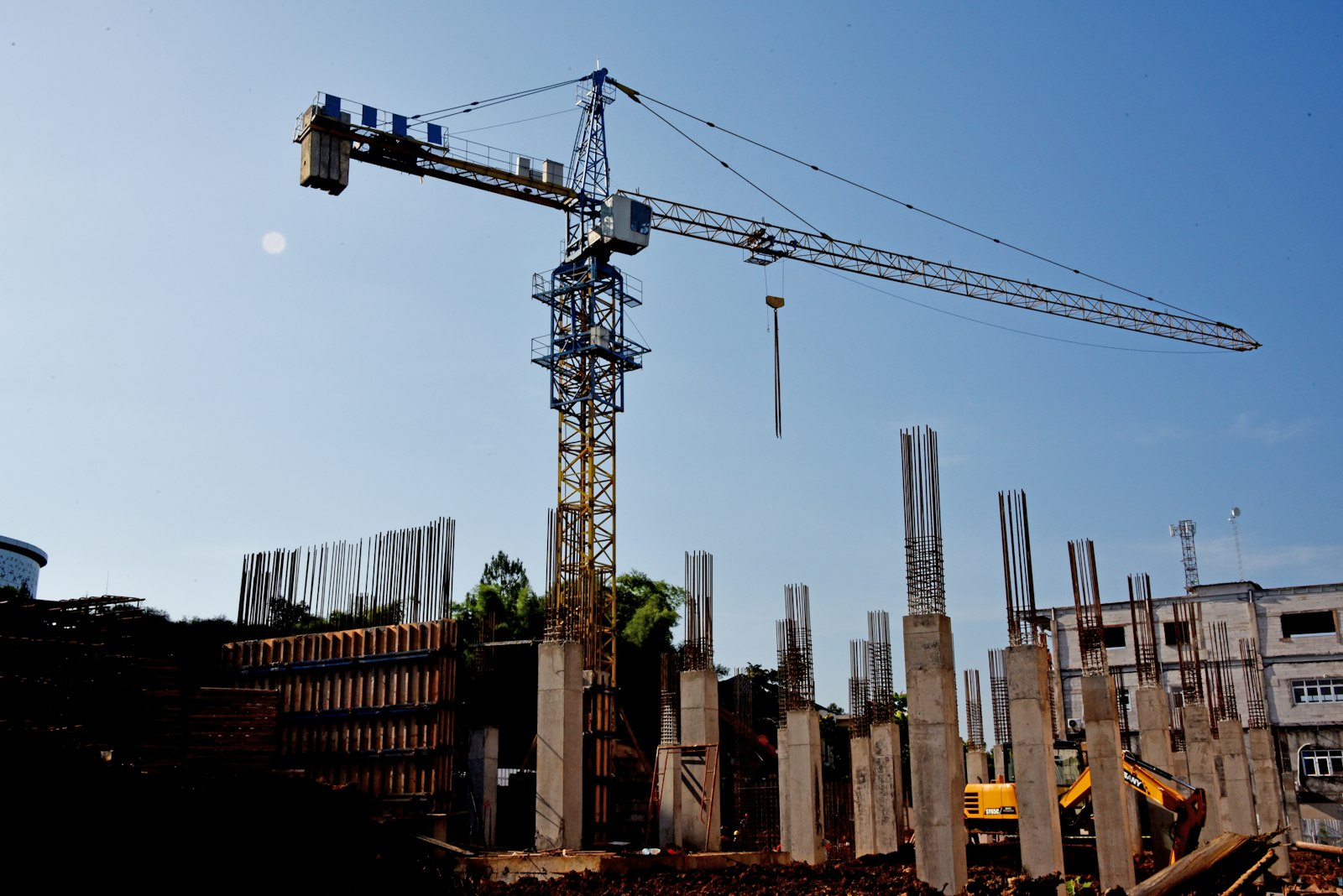
Cranes, hoists, and material lifts set the pace of the structure and the interiors. Show where each is located, why that position works, and when each is removed. Note swing radius conflicts and what happens during high wind. A phased view that shows the equipment changing across the schedule is more useful than a single drawing. Operators and riggers should review these lift plans before the crane arrives. Their comments often improve placement, and the review shows the owner that the field team has been involved.
Protect People Around the Site
Pedestrian routes, overhead protection, dust and noise control, and traffic control are what neighbors notice. Describe the measures and who is responsible for each. For healthcare and education work, add the specific steps taken to protect occupied buildings next door. If the site shares a street with a school or a clinic, call out restricted hours explicitly. Specific commitments carry more weight than general statements about being a good neighbor.
Tie the Plan to the Schedule and Safety Program
A plan that ignores the schedule drifts out of date. Link each logistics phase to a schedule milestone and name who updates the plan when conditions change. Include safety orientation requirements and emergency access routes so the document connects to the field program. A simple revision log at the front of the document shows the plan is maintained, and it gives auditors and owners an easy way to see what changed and why.
Keep It Short and Visual
Reviewers read quickly. Use annotated site plans, a one-page phasing summary, and short paragraphs. Save lengthy detail for appendices. A clear eight-page plan beats a forty-page binder. Use consistent symbols and a legend on every drawing. When field staff can read a sheet without asking for help, the plan is doing its job.
The Bottom Line
A construction logistics plan earns its keep when it is specific to the site, tied to the schedule, and easy to scan. Teams that treat it as a working tool, not a proposal attachment, spend less time fixing avoidable problems once the job starts.