What a Construction Logistics Plan Needs to Cover

A construction logistics plan describes how people, materials, and equipment move through a site over the life of a project. On a small job it can be a single sheet. On a congested urban project it can determine whether the schedule holds. Whatever the size, the plan is only useful if it answers the questions the field team will actually ask.
Site Access, Deliveries, and Laydown
The plan starts at the fence line. Where are the gates, who uses each one, and how do trucks reach them from the public road? Include turning radii, queuing space, and any restrictions on hours or routes. Pedestrian paths, neighbor access, and emergency vehicle routes belong here as well. Many logistics problems are really access problems that were never drawn out. Once trucks are through the gate, materials still do not arrive when it is convenient. A plan should show where each major delivery type unloads, where it is stored, and how it reaches the point of installation. Tight sites often rely on just-in-time deliveries scheduled in windows. The plan should name who manages those windows, how they are booked, and what happens when a truck arrives early or late.
Cranes, Hoisting, and Phasing
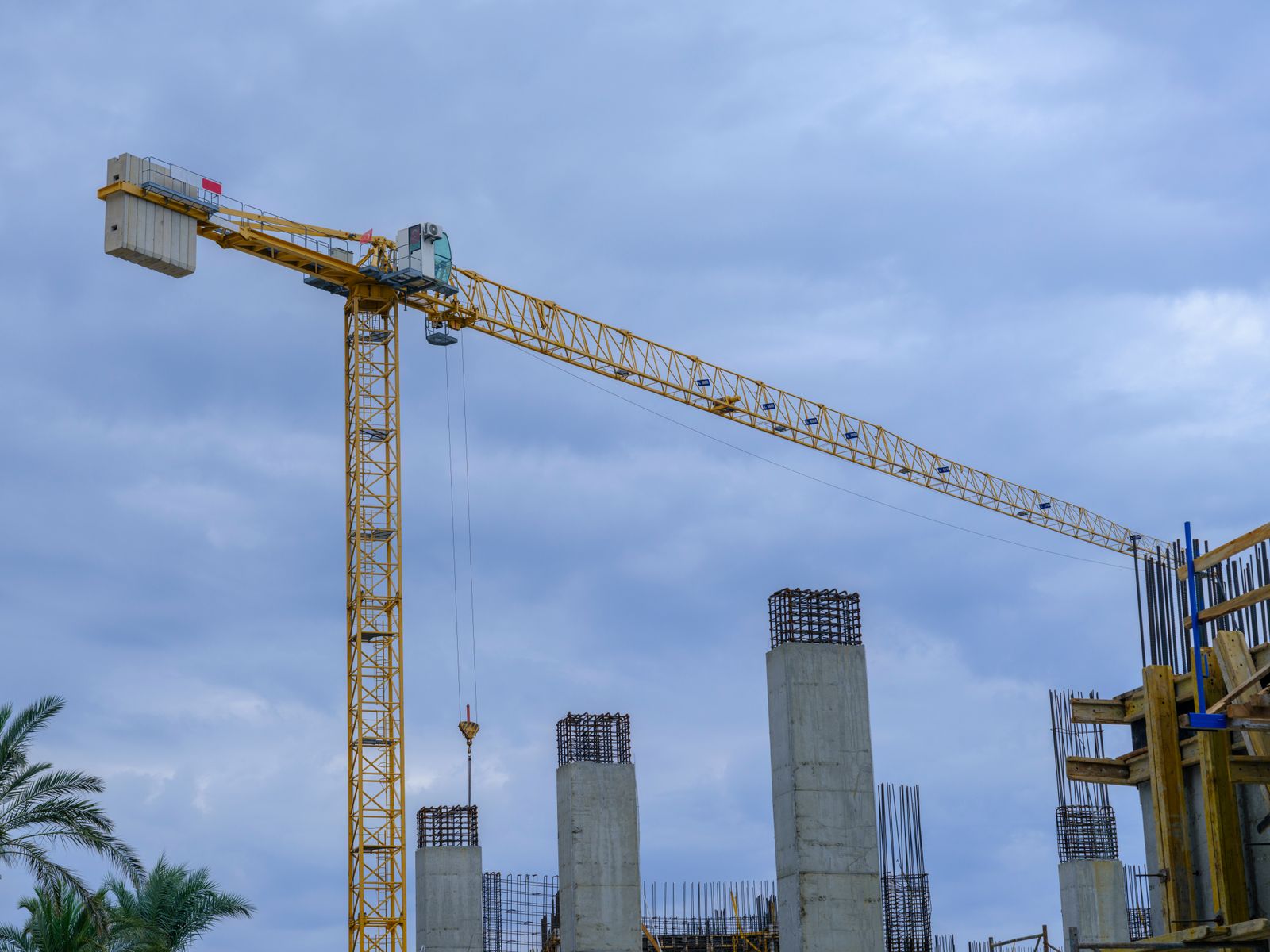
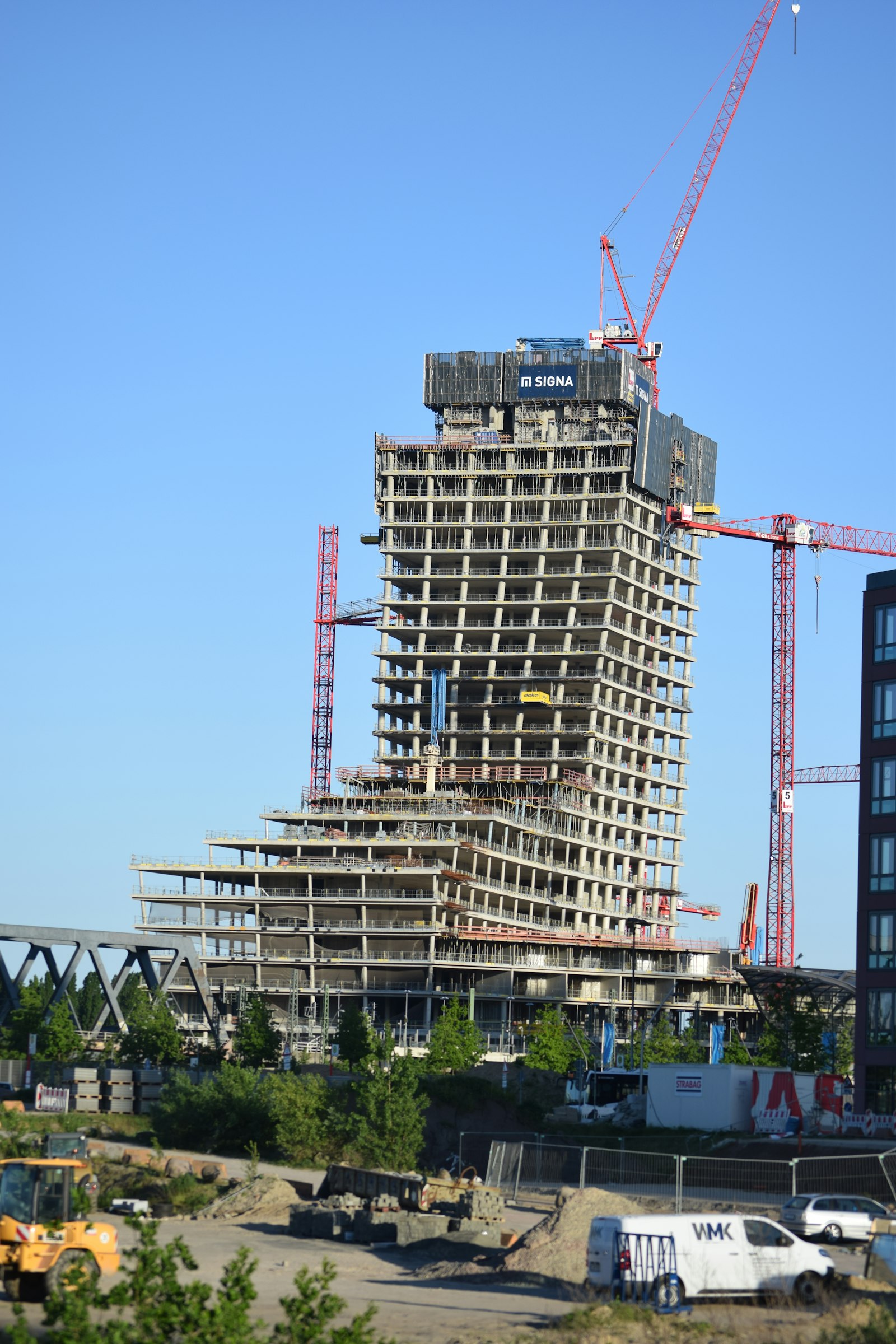
Crane selection, location, and reach are among the earliest decisions in logistics planning, and among the hardest to change. The plan should show swing radii, overlap with adjacent buildings and power lines, and the sequence of major lifts. For projects with personnel or material hoists, include their locations and how they tie into floor-by-floor progress. Those choices shift as the job advances, because a site on day one is not the site on day two hundred. Excavation, structure, enclosure, and finishes each demand different access and storage. Good plans are drawn in phases that match the schedule, with clear triggers for moving from one layout to the next. Show what gets relocated, when, and who is responsible.
Safety and Neighbor Impact
Logistics plans carry safety responsibilities: separating pedestrians from equipment, controlling traffic, and protecting adjacent properties. They also carry community responsibilities, such as noise, dust, and street closures. Stating these plainly in the plan makes approval easier and reduces complaints during construction.
Ownership and Keeping the Plan Alive
A plan that sits in a binder does nothing. Review it at weekly coordination meetings, update it when conditions change, and make sure subcontractors have the current version. Superintendents should be able to point to the plan during a dispute and trust that it reflects reality. That requires a named owner, usually the superintendent or a dedicated logistics manager. Without one, updates fall between the project manager, the safety lead, and the subcontractors. The owner keeps the master drawing current, collects input from trades, and runs the delivery schedule. On larger projects, a short weekly logistics meeting with representatives from the major trades keeps everyone aligned. Written agreements on gate use, hoist time, and laydown allocation prevent most arguments, since they replace informal assumptions with something people can point to. When a dispute does arise, the plan gives the team a neutral reference and a starting point for resolving it quickly.
Planning for the Unexpected
Weather, late deliveries, and inspection delays will disrupt even a careful plan. Build contingency into the document: alternate delivery routes, backup staging areas, and rules for rescheduling hoist time when a lift is lost. Identify which activities can slip without affecting the critical path, and which cannot. Teams that think through these scenarios before the job starts respond faster and with less conflict when something goes wrong.
The Bottom Line
A construction logistics plan is a coordination tool. It earns its place by being specific about access, deliveries, cranes, and phases, and by staying current as the job moves. Teams that treat it as a living document tend to spend less time solving avoidable problems on site.