Writing a Construction Logistics Plan That Holds Up on a Tight Site

Most construction schedules describe what gets built and when. A construction logistics plan describes how materials, equipment, and people get to the work. On open suburban sites the second question answers itself. On a dense urban block or an occupied campus it can decide whether the schedule survives the first month. Writing the plan early, while design is still moving, gives the team the leverage to ask for changes that make access easier, such as a relocated loading dock, a different phasing order, or a wider temporary entry. Those requests are far harder to make after the contract is signed.
Begin With Site Constraints
The plan starts with the limits that cannot move: property lines, adjacent structures, utilities, overhead lines, street widths, and permitted work hours. Mapping these first prevents the common mistake of drawing a plan the city or the neighbors will not accept. It also shows early where the site simply has no room, which is the most useful thing a planner can learn before work begins.
Plan Access and Deliveries
Every site has a limited number of entry points and a limited number of delivery slots per day. A logistics plan assigns deliveries to those slots, sets the routes trucks take, and decides where they wait. Scheduling systems for deliveries, with booking by subcontractors, keep concrete pours and steel deliveries from colliding. The plan should also name who controls the gate, since an unattended gate means the schedule is being managed by whoever shows up first.
Place Cranes, Hoists, and Laydown Deliberately
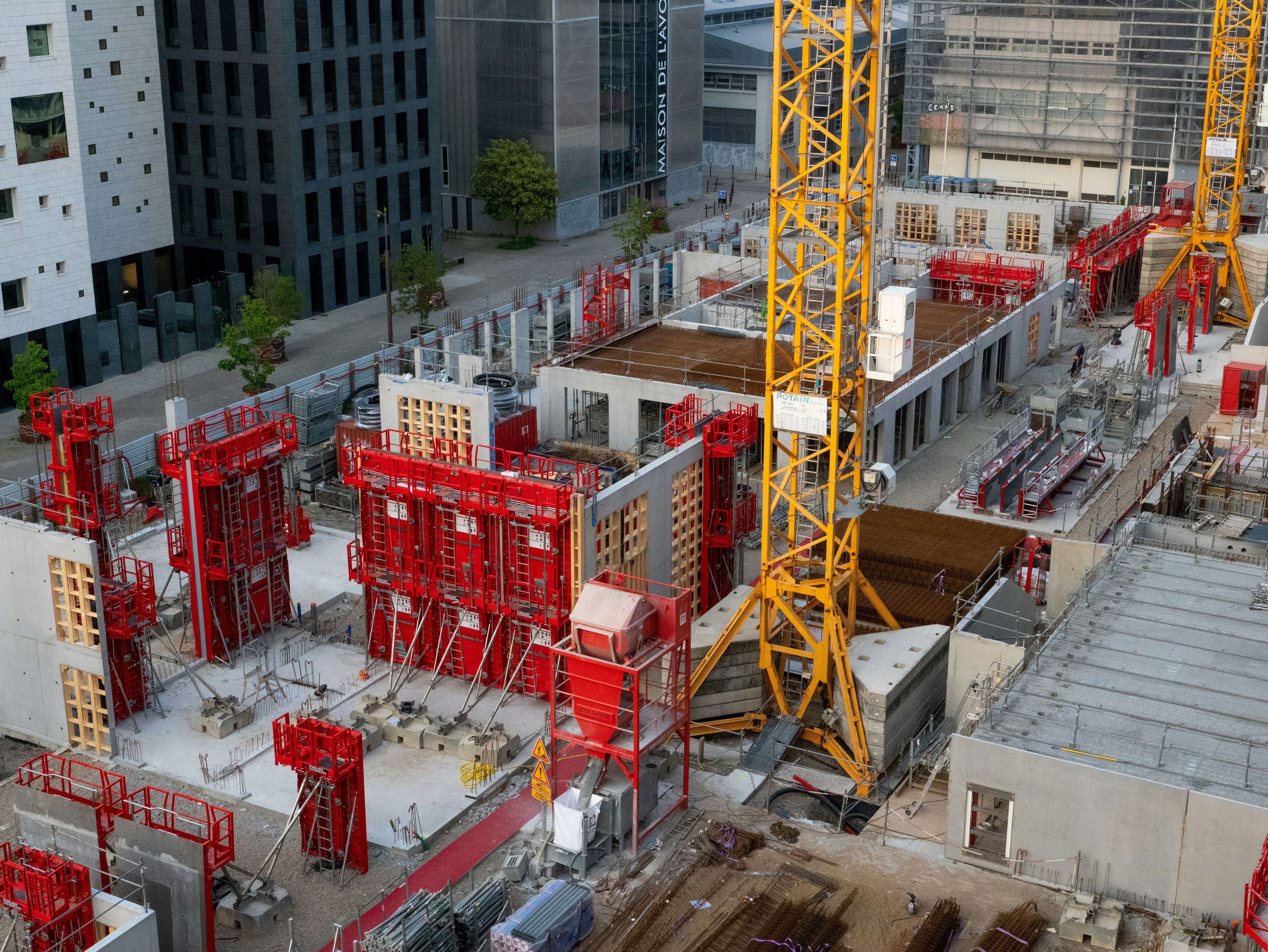
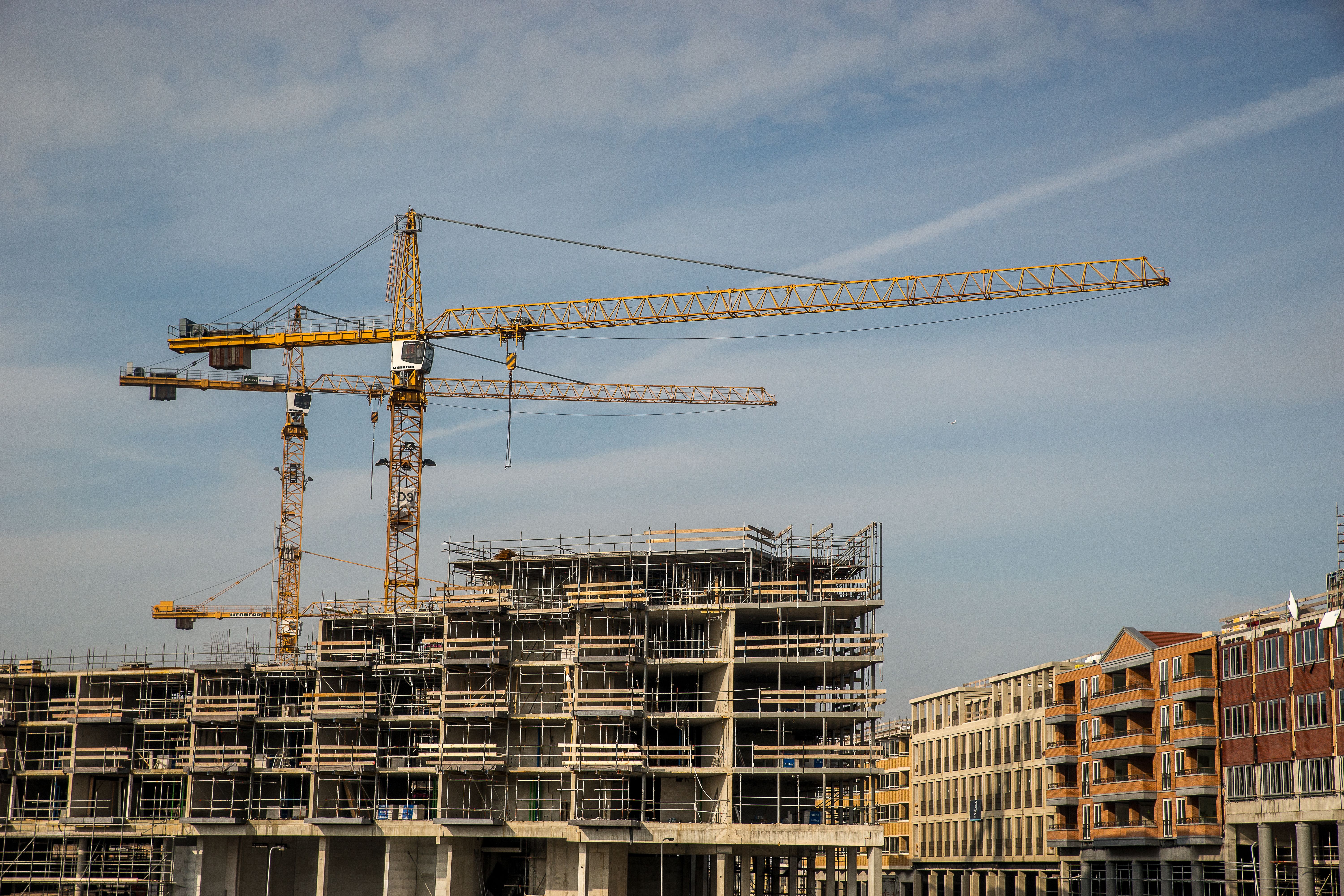
Crane location drives much of the rest of the plan. It determines pick radius, which determines laydown placement, which determines how many deliveries can be staged at once. Hoist locations affect how interior trades move materials upward, and temporary openings in the structure have to stay open long enough for them. These decisions should be made together, with the structural, mechanical, and enclosure schedules in view, not one at a time as each trade arrives.
Phase the Plan, Not Just the Building
A single site plan drawing is almost never enough. Laydown areas that exist in month three may be buried under a building footprint by month nine. The plan should include a separate drawing for each major phase, showing fences, gates, pedestrian routes, parking, and temporary structures as they change. Reviewers and subcontractors can then see what the site will look like when their work begins, not what it looked like when the plan was drawn.
Protect the People Around the Site
Neighbors, pedestrians, and building occupants are part of the logistics problem. The plan should show covered walkways, traffic control, noise and dust measures, and designated routes for workers. On healthcare and education projects, it should also show how emergency access is maintained. Communicating these measures to the public in plain language before work starts reduces complaints and protects the project's relationship with the community.
Keep the Plan Alive
A logistics plan that is issued once and filed away will be wrong within weeks. The best teams review it at the weekly coordination meeting, update drawings when conditions change, and record what actually happened. Versions are dated and shared with every subcontractor, so no one is working from an old gate location. Treating the plan as a working document is what separates it from a proposal exhibit. A short lessons-learned note at the end of each phase also feeds the next project's plan, so the same mistakes about gate widths and queue lengths are not repeated.
The Bottom Line
A construction logistics plan works when it is specific, phased, and maintained. It names the constraints, assigns the access, places the equipment, protects the neighbors, and changes as the site changes. On a tight site, that discipline is worth more than almost any other preconstruction document.